
Don’t overlook the impact of menopause! Despite its prevalence, many people and healthcare providers are not well-informed about menopause and its treatments. Countless individuals are needlessly suffering. Menopause often begins in the 40s and most women will experience it by their early 50s. In addition to the commonly known symptoms, such as hot flushes and mood changes, menopause also brings about subtler genitourinary symptoms that can worsen over time if left untreated. Painful sex, urinary issues, infections, and vaginal dryness are all part of the Genitourinary Syndrome of Menopause (GSM). These symptoms are also associated with pelvic floor dysfunction, which affects almost half of women in their 50s. It’s time to address this overlooked aspect of menopause.

Get relief from menopause symptoms with the right treatment at Menopause Pelvic Floor Physical and Occupational Therapy in Berkeley. While systemic hormonal therapy may work for some, it may not be enough for those experiencing GSM symptoms. That’s why the North American Menopause Society suggests trying vaginal estrogen for menopausal women. Say goodbye to discomfort and hello to comfort.
Don’t overlook the impact of menopause! Despite its prevalence, many people and healthcare providers are not well-informed about menopause and its treatments. Countless individuals are needlessly suffering. Menopause often begins in the 40s and most women will experience it by their early 50s. In addition to the commonly known symptoms, such as hot flushes and mood changes, menopause also brings about subtler genitourinary symptoms that can worsen over time if left untreated. Painful sex, urinary issues, infections, and vaginal dryness are all part of the Genitourinary Syndrome of Menopause (GSM). These symptoms are also associated with pelvic floor dysfunction, which affects almost half of women in their 50s. It’s time to address this overlooked aspect of menopause.
Get relief from menopause symptoms with the right treatment at Menopause Pelvic Floor Physical and Occupational Therapy in Berkeley. While systemic hormonal therapy may work for some, it may not be enough for those experiencing GSM symptoms. That’s why the North American Menopause Society suggests trying vaginal estrogen for menopausal women. Say goodbye to discomfort and hello to comfort.
Differential Diagnosis:
GSM or Pelvic Floor Dysfunction
Common Symptoms of Pelvic Floor Dysfunction and GSM:
- Frequent urination, urgency, and discomfort during urination
- Feelings of pressure in the bladder or pelvic area
- Painful intercourse and decreased or no orgasm
- Difficulty with bowel movements
- Pain or burning in the vulva and vagina
- Discomfort when sitting
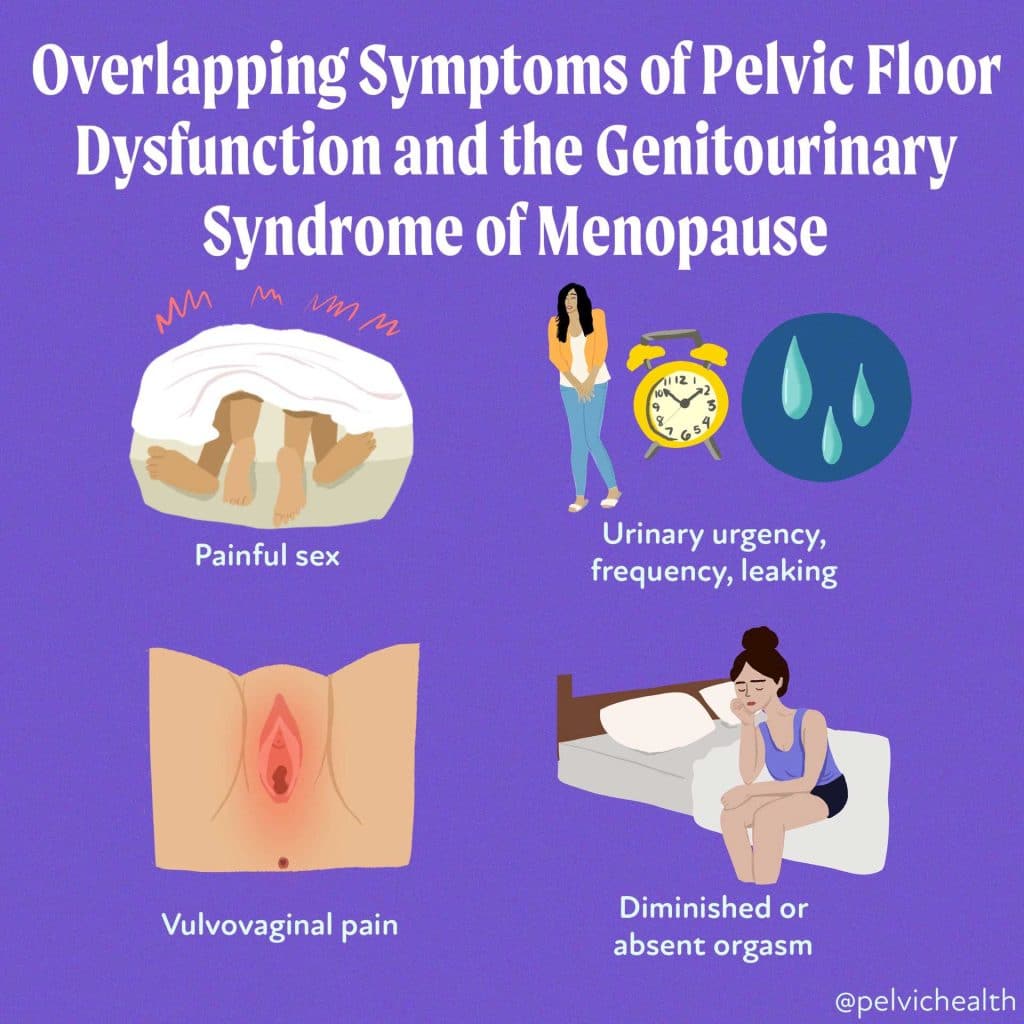
A knowledgeable healthcare professional, such as a pelvic floor physical and occupational therapists or medical doctor, can perform a range of examinations to identify issues related to the pelvic area. These include visual examinations, q-tip tests to pinpoint areas of pain, and manual examinations to assess pelvic floor dysfunction, hormonal deficiencies, and pelvic organ prolapse. It’s important to note that all women may experience GSM (genitourinary syndrome of menopause) if not properly managed. Many people are unaware that menopausal women can benefit from pelvic floor physical and occupational therapy, which can address musculoskeletal factors that contribute to discomfort. Combining pelvic floor physical and occupational therapy with medical management is essential for restoring enjoyable sexual experiences and improving urinary and bowel function.
FACTS
From: https://www.letstalkmenopause.org/further-reading
- Every day, 6000 women go through menopause.
- There are currently 50 million menopausal women in the US.
- A staggering 84% of women face genital, sexual, and urinary discomfort that won’t go away without help. Surprisingly, less than a quarter of them seek assistance.
- Even OBGYN residents acknowledge their lack of preparedness in discussing menopause, with 80% admitting to being ill-equipped.
- 90% of postmenopausal women have clinically detected GSM, but only ⅓ actually report symptoms.
- Common barriers to treatment include women having to initiate the conversation, believing symptoms are a natural part of aging, and failing to connect symptoms with menopause.
- Shockingly, only 13% of healthcare providers ask their patients about menopause symptoms.
- Even after diagnosis, the majority of women with GSM are not treated, despite studies showing its negative impact on quality of life. Providers may hesitate to prescribe treatment and patients have concerns over safety profiles, limiting the use of topical vaginal therapies.
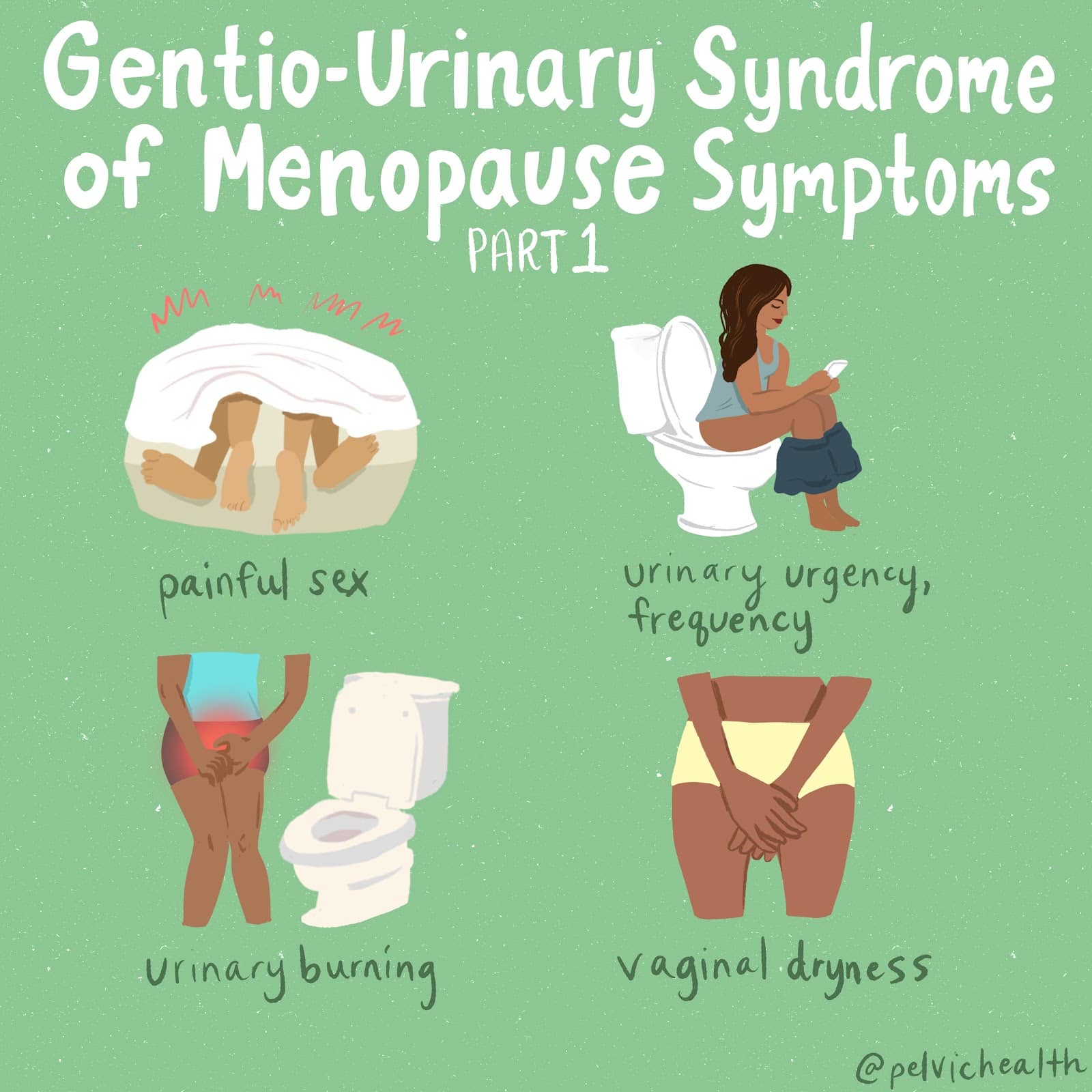
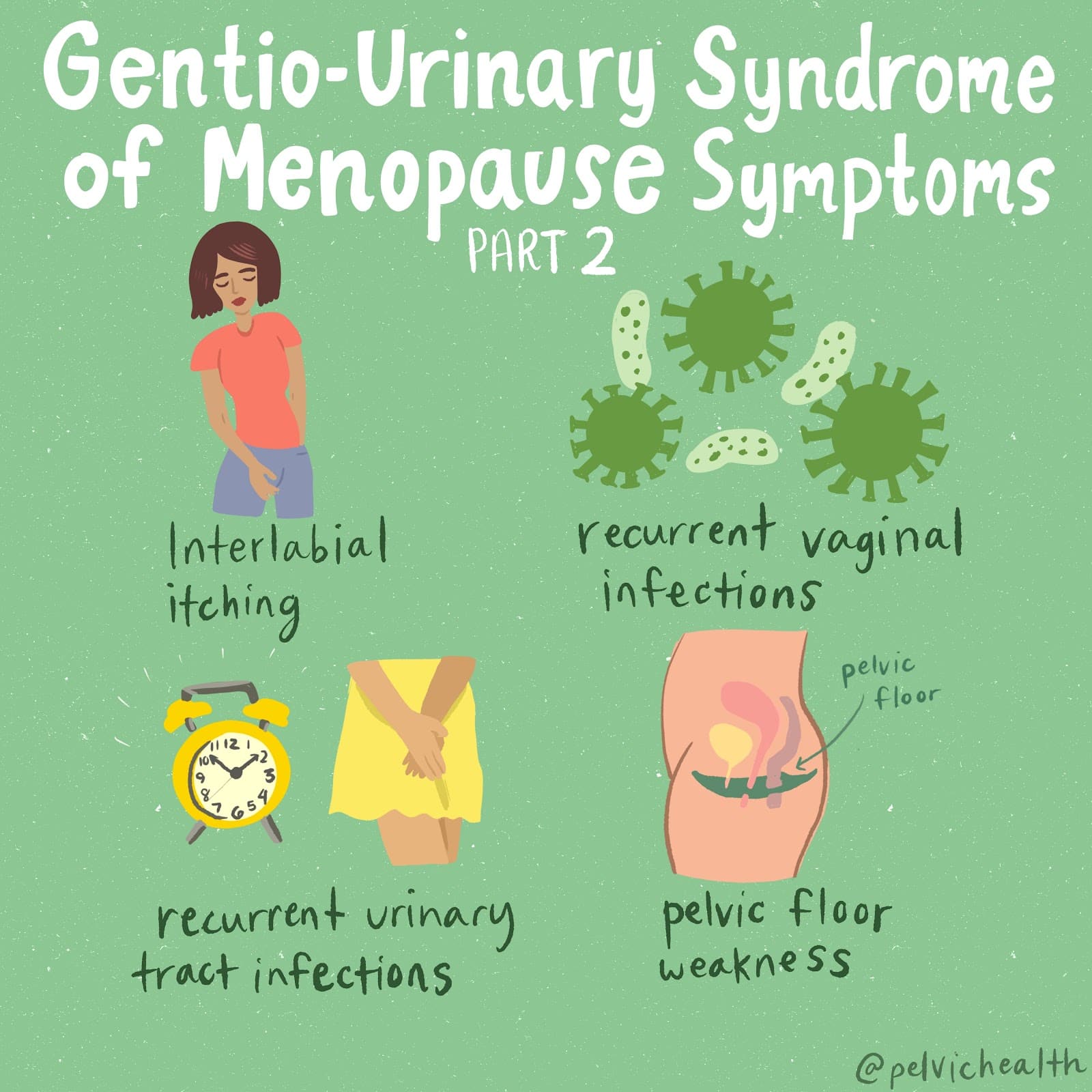
Insufficient hormones can cause itching in the labial and vaginal areas. Don’t forget about other skin problems like Lichen Sclerosus and yeast infections that could be causing it too.
In menopause, recurrent vaginal and urinary tract infections can occur due to:
- Changes in pH and tissue
- Incomplete bladder emptying
- Pelvic organ prolapse affecting urinary function
Recurrent infections can cause pelvic floor dysfunction, leading to pain and dysfunction even after the infection is treated. Hormone therapy can help prevent future infections and their severe consequences, including unprovoked pain, difficulty with sex, and potential kidney problems.
Consulting a menopause expert at Menopause Pelvic Floor Physical and Occupational Therapy in Berkeley is essential for effectively monitoring, preventing, and treating the serious and manageable issues associated with GSM. It is important to foster open and comfortable discussions about these experiences, as they are nothing to be ashamed of. With proper care, individuals can improve their quality of life and well-being. Combining pelvic floor physical and occupational therapy with medical management is a powerful approach.
How We Can Help You

If you are experiencing sexual function issues, it’s important to see a therapist for pelvic floor therapy at Menopause Pelvic Floor Physical and Occupational Therapy in Berkeley. They will assess your pelvic floor to determine if it is contributing to your symptoms. During the examination, the therapist will discuss your medical history, previous diagnoses, and treatment experiences. It’s worth noting that we understand the frustration that often accompanies seeking help. The therapist will assess your nerves, muscles, joints, tissues, and movement patterns. After the examination, they will discuss the results with you. Based on the assessment, the therapist will establish short-term and long-term therapy goals. Typically, treatments are scheduled once or twice a week for approximately 12 weeks. Your therapist will help coordinate your recovery with other specialists and provide you with exercises to do at home. We are here to help you improve and live your best life.
For more information about IC/PBS, please refer to our IC/PBS Resource List.

How We Can Help You
If you are experiencing sexual function issues, it’s important to see a therapist for pelvic floor therapy at Menopause Pelvic Floor Physical and Occupational Therapy in Berkeley. They will assess your pelvic floor to determine if it is contributing to your symptoms. During the examination, the therapist will discuss your medical history, previous diagnoses, and treatment experiences. It’s worth noting that we understand the frustration that often accompanies seeking help. The therapist will assess your nerves, muscles, joints, tissues, and movement patterns. After the examination, they will discuss the results with you. Based on the assessment, the therapist will establish short-term and long-term therapy goals. Typically, treatments are scheduled once or twice a week for approximately 12 weeks. Your therapist will help coordinate your recovery with other specialists and provide you with exercises to do at home. We are here to help you improve and live your best life.
For more information about IC/PBS, please refer to our IC/PBS Resource List.