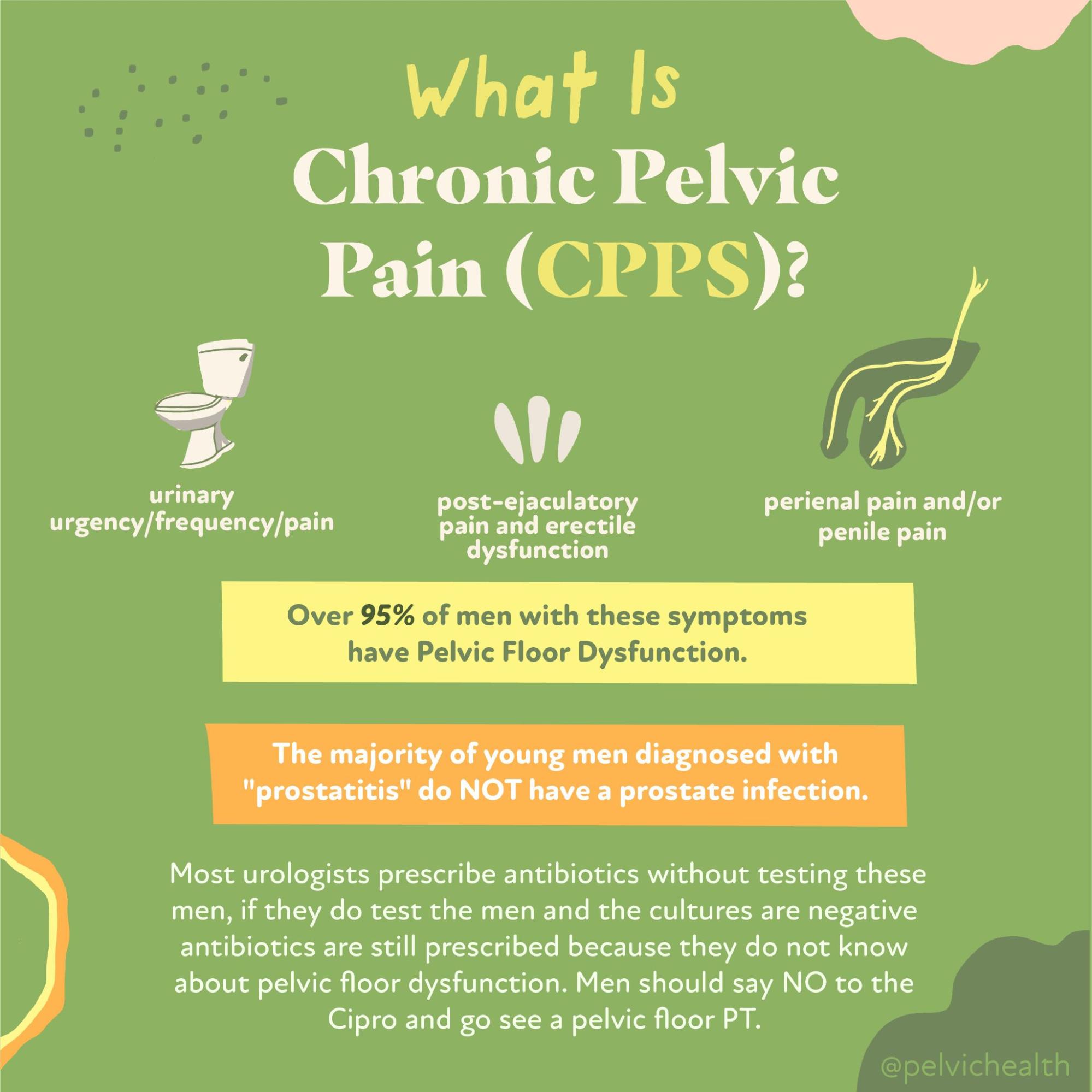
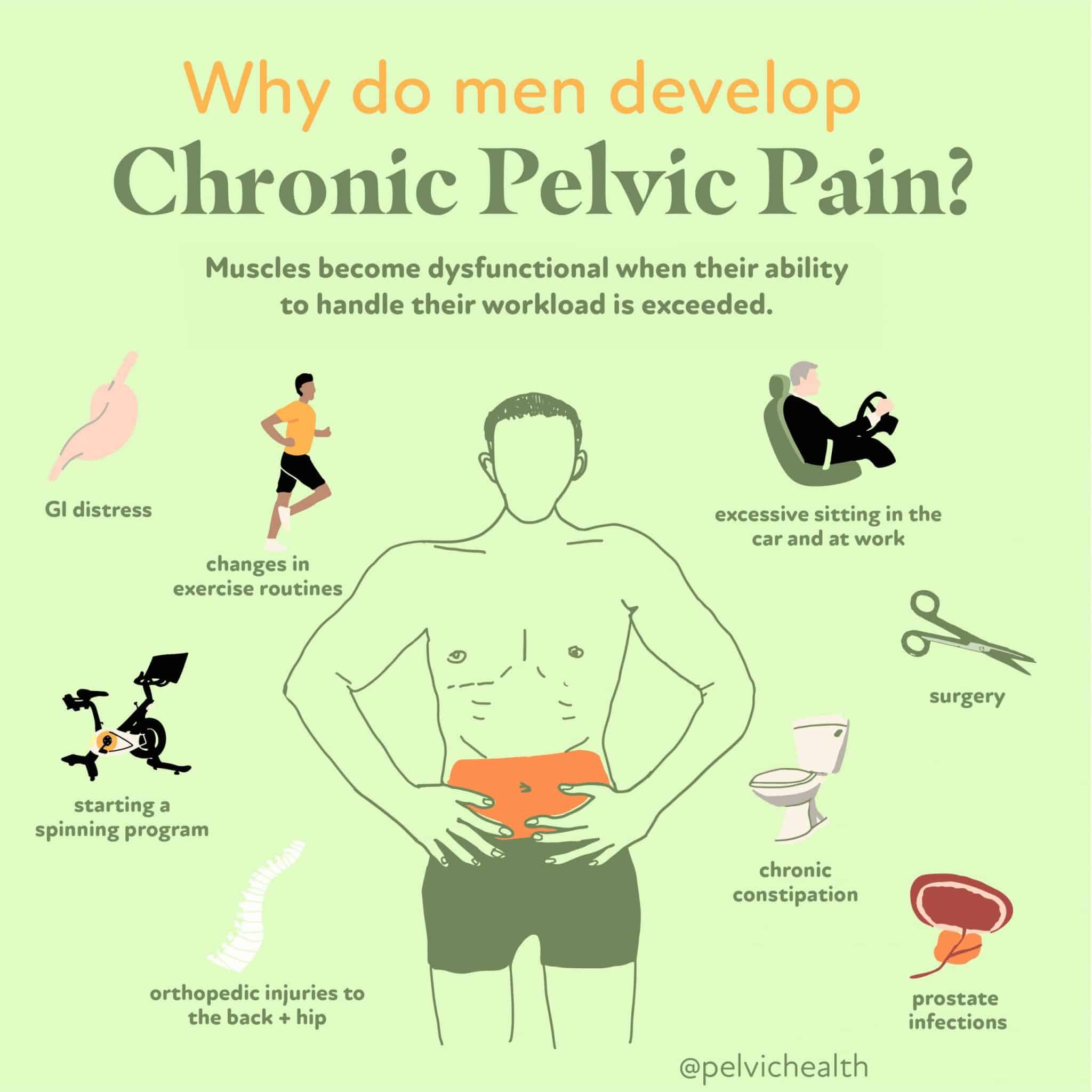
For many men, the journey to uncover the cause of pelvic pain is long and frustrating. Research shows that it can take as much as seven years to receive a correct diagnosis. This prolonged process is often due to the fact that symptoms are easily confused with other conditions like STIs, prostatitis, or urinary infections. Rather than conducting detailed evaluations, many healthcare providers resort to quick antibiotic treatments, which do nothing to resolve the true issue—pelvic floor dysfunction. Another major hurdle is the scarcity of therapists who specialize in treating men with pelvic conditions, as most professionals in this field focus on female health. PHRC has worked to bridge this gap, developing a practice that places male pelvic health front and center. Today, men make up a large portion of our clientele, benefiting from the attention and skill that’s long been lacking elsewhere.
Men with pelvic pain often endure a long and disheartening journey to find answers. A common first step from healthcare providers is to prescribe antibiotics, yet in more than 90% of cases, there’s no bacterial infection to fight. Instead, these individuals are usually experiencing Chronic Pelvic Pain Syndrome (CPPS), particularly NIH Categories IIIa and IIIb. These categories refer to forms of CPPS not linked to infection, but rather to neuromuscular or inflammatory factors that antibiotics cannot resolve.
The NIH categorizes prostatitis syndromes as follows:
Category I: Acute bacterial prostatitis—characterized by intense pain, fever, and laboratory confirmation of an acute urinary infection.
Category II: Chronic bacterial prostatitis—marked by ongoing bacterial presence and recurrent urinary tract infections.
Category IIIa: Inflammatory CPPS—pain is accompanied by inflammatory markers like white blood cells in bodily fluids.
Category IIIb: Non-inflammatory CPPS—chronic pain exists, but lab tests show no immune system involvement.
Category IV: Asymptomatic inflammatory prostatitis—where inflammation is found during lab testing, despite no physical symptoms reported.