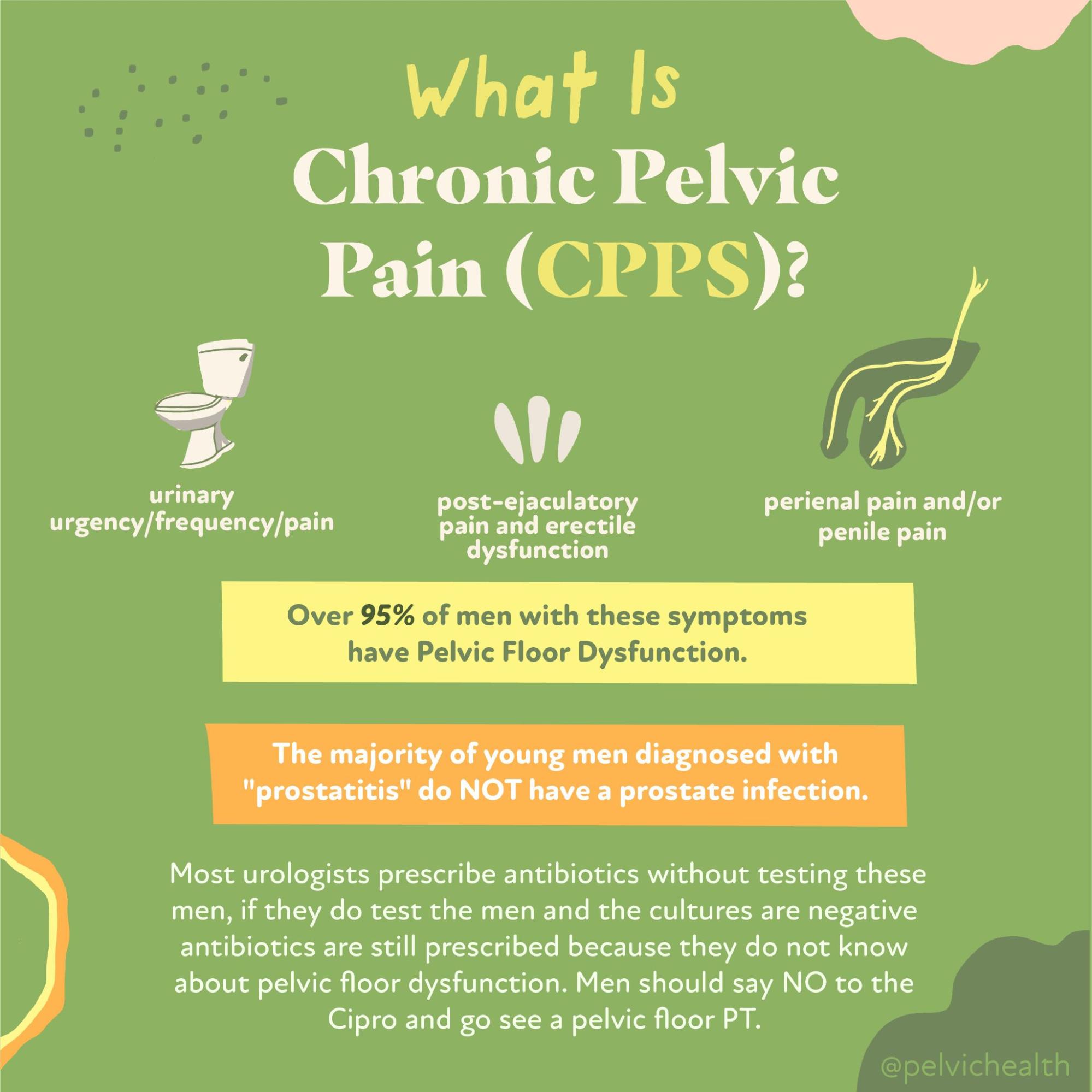
Many men who suffer from pelvic pain go years without receiving a correct diagnosis. In fact, studies suggest it can take as long as seven years before the root cause is properly identified. This delay often happens because symptoms in men can closely mimic prostatitis, bladder infections, or sexually transmitted infections. As a result, healthcare providers may quickly prescribe antibiotics without conducting thorough tests to rule out infection. This leads to missed diagnoses, as the true source of the pain is usually a dysfunction in the pelvic floor muscles. Another challenge is the lack of male-focused pelvic health professionals—most pelvic floor therapists are trained to treat women, not men. At PHRC, we’ve addressed this gap by specializing in male pelvic health, and we’re proud to serve a largely male clientele who finally receive the expert care they need.
For many men, ongoing pelvic discomfort becomes a source of lasting frustration. A common response from healthcare providers is to prescribe antibiotics, assuming the issue is due to an infection. However, scientific evidence shows that in over 90% of these situations, no infection is detected. Instead, the actual culprit is often Chronic Pelvic Pain Syndrome (CPPS), specifically classified under NIH Categories IIIa or IIIb.
These forms of CPPS are not bacterial in nature but are instead associated with issues like muscle tension or nerve dysfunction, which antibiotics cannot treat.
The National Institutes of Health categorizes prostatitis-related conditions as follows:
Category I: Acute bacterial prostatitis—marked by intense pelvic pain, fever, and clear signs of infection in the urinary tract.
Category II: Chronic bacterial prostatitis—often involves recurring UTIs and long-standing bacterial presence in the prostate.
Category IIIa: Inflammatory CPPS—identified by pelvic pain and the presence of white blood cells in reproductive or urinary secretions, indicating immune activity.
Category IIIb: Non-inflammatory CPPS—shares the same chronic pelvic pain symptoms but lacks any visible immune markers, such as white blood cells, in lab results.
Category IV: Asymptomatic inflammatory prostatitis—where inflammation is present in testing, yet the patient experiences no physical symptoms.