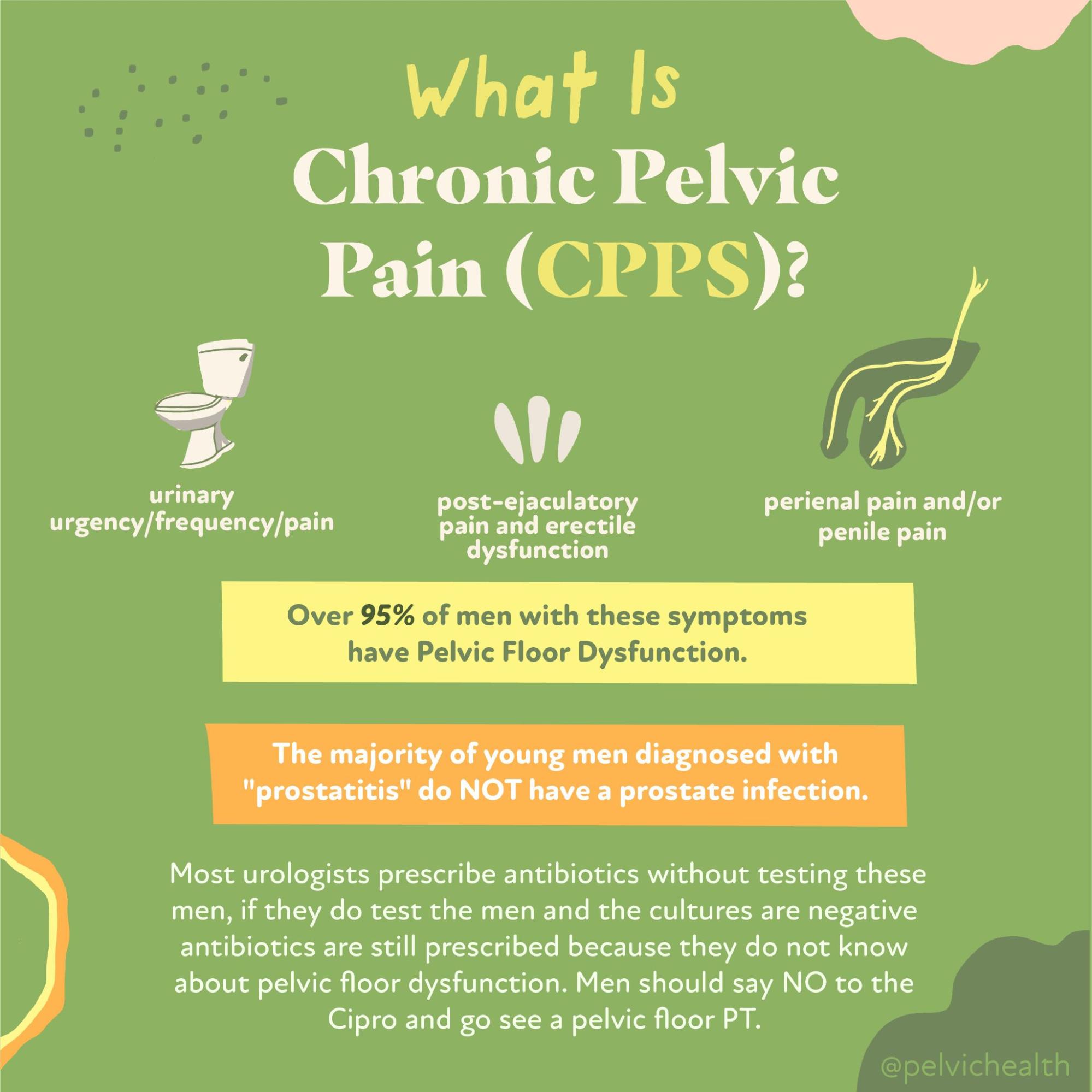
Men dealing with pelvic pain are often misdiagnosed or left undiagnosed for extended periods—sometimes even years. Research has found it can take up to seven years before an accurate diagnosis is made. This significant delay is largely because male pelvic pain symptoms often resemble conditions like prostatitis, bladder infections, or STIs. Many providers opt for a quick fix by prescribing antibiotics, skipping the diagnostic testing that would rule out infection. Unfortunately, this common approach fails to uncover the true problem: dysfunction of the pelvic floor. Another barrier men face is the limited number of physical and occupational therapistss trained specifically in male pelvic health, as most are oriented toward female patients. At PHRC, however, we understand the complexity of male pelvic pain and have built a practice where men receive the care and expertise they deserve—often making up the majority of our client base.
For many men, a diagnosis of “prostatitis” often leads to ineffective treatments and prolonged frustration. The standard course of antibiotics may be prescribed under the assumption of infection, but research clearly reveals that in more than 90% of these cases, no bacterial infection is present. Rather than fighting an infection, these men are frequently dealing with Chronic Pelvic Pain Syndrome (CPPS), particularly in forms classified as NIH Categories IIIa or IIIb. These are non-bacterial conditions involving muscle dysfunction or nerve irritation—not something antibiotics can fix.
According to the National Institutes of Health, prostatitis syndromes are divided as follows:
Category I: Acute bacterial prostatitis – includes severe pelvic pain, systemic symptoms like fever, and confirmed acute urinary infection.
Category II: Chronic bacterial prostatitis – usually includes repeated urinary tract infections and bacteria residing long-term in the prostate.
Category IIIa: Inflammatory CPPS – characterized by immune cells (white blood cells) in reproductive or urinary secretions, indicating chronic inflammation.
Category IIIb: Non-inflammatory CPPS – shows similar pelvic pain symptoms but lacks white blood cells, making inflammation undetectable in lab work.
Category IV: Asymptomatic inflammatory prostatitis – inflammation found during routine testing despite the absence of any symptoms reported by the patient.